Friday, April 16, 2010

Wolf Spider (Pardosa sp.)

click for large

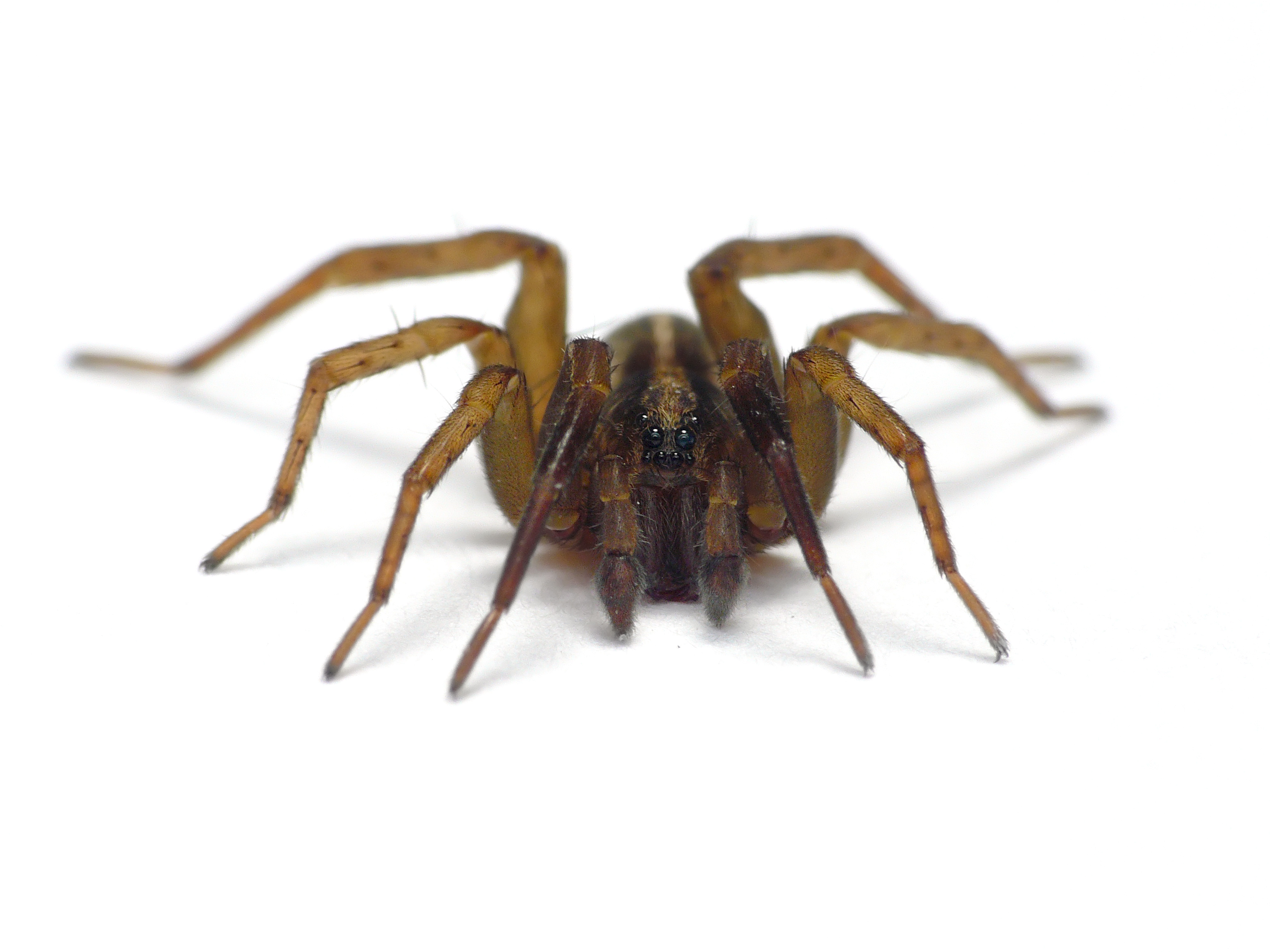
Pardosa sp., are also known as Thin-Legged Wolf Spiders. This is a female I caught near my watering hose. It was a fair bit larger than the male I caught earlier, probably twice as large. You can compare this female to a male I caught earlier here. Notice how the male has big black furry palps.

Like all Wolf Spiders they are robust and agile hunters with good eyesight. Check out the eyes on this guy. Wolf spiders can be found in a wide range of habitats both coastal and inland. These include shrublands, woodland, wet coastal forest, alpine meadows, and suburban gardens. Spiderlings disperse aerially and consequently wolf spiders have wide distributions. Although some species have very specific microhabitat needs (such as stream-side gravel beds or montane herb-fields) most are wanderers without permanent homes. Some build burrows which can be opened or have a trapdoor. Arid zone species construct turrets or plug their holes with leaves and pebbles during the rainy season to protect themselves from flood waters.

Raynox DCR-150 and Raynox DCR-250, stacked and mounted on my Panasonic
Lumix FZ8.
Tuesday, April 13, 2010

Wolf Spider (Pardosa sp.)

click for large

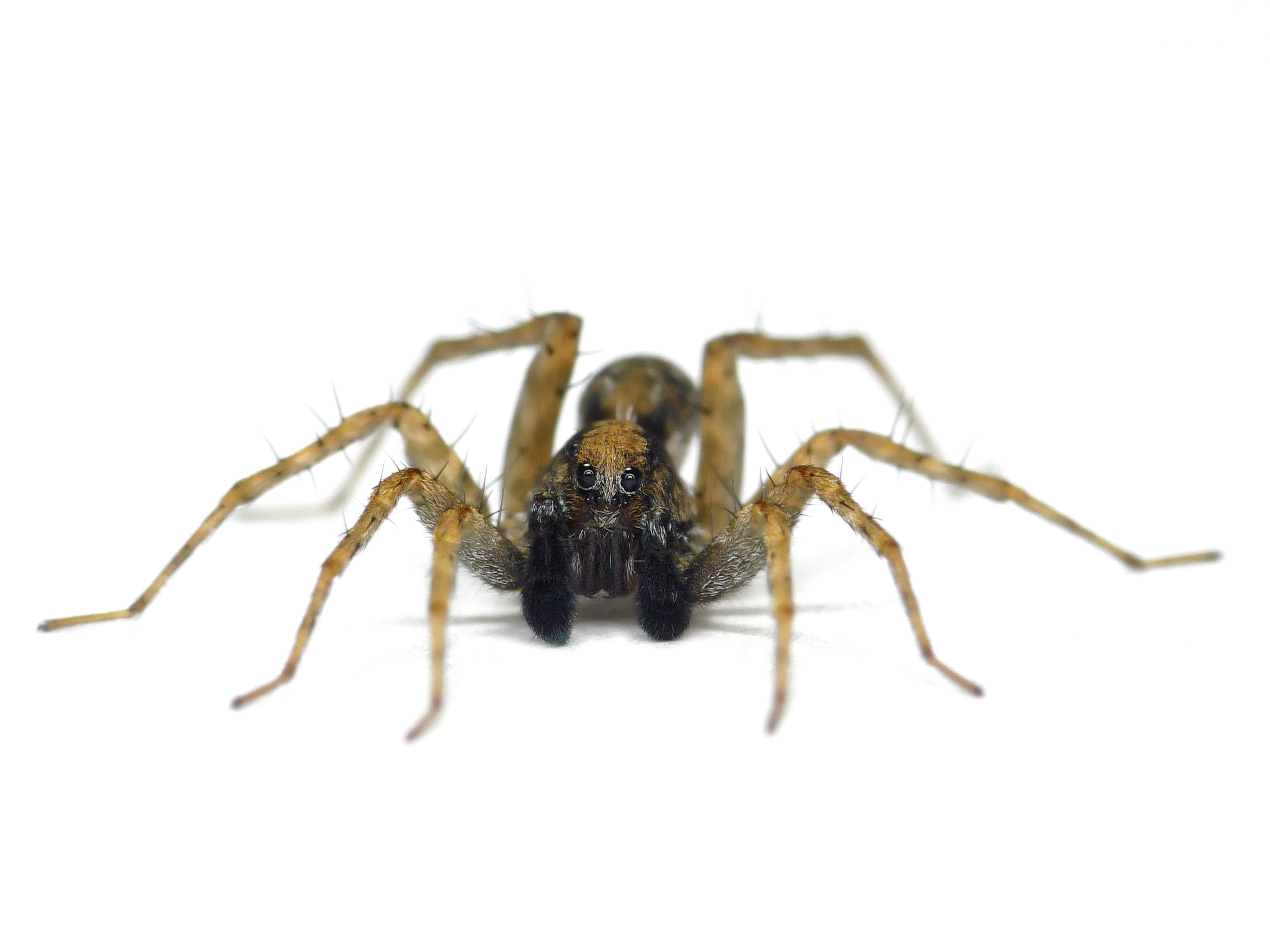
Pardosa sp, are also known as Thin-Legged Wolf Spiders. I find they are very common along lake shores, which is where I caught this guy. There were literally dozens of these guys running around. Very, very fast. I initially thought they were jumping spiders, because none of them ran, they all jumped in 2-3" increments. This is a male, you can tell by the large furry black palps.

Like all Wolf Spiders they are robust and agile hunters with good eyesight. Check out the eyes on this guy. Wolf spiders can be found in a wide range of habitats both coastal and inland. These include shrublands, woodland, wet coastal forest, alpine meadows, and suburban gardens. Spiderlings disperse aerially and consequently wolf spiders have wide distributions. Although some species have very specific microhabitat needs (such as stream-side gravel beds or montane herb-fields) most are wanderers without permanent homes. Some build burrows which can be opened or have a trapdoor. Arid zone species construct turrets or plug their holes with leaves and pebbles during the rainy season to protect themselves from flood waters.

Raynox DCR-150 and Raynox DCR-250, stacked and mounted on my Panasonic Lumix FZ8.

Friday, April 2, 2010

Wolf Spider (Hogna sp.)

click for large

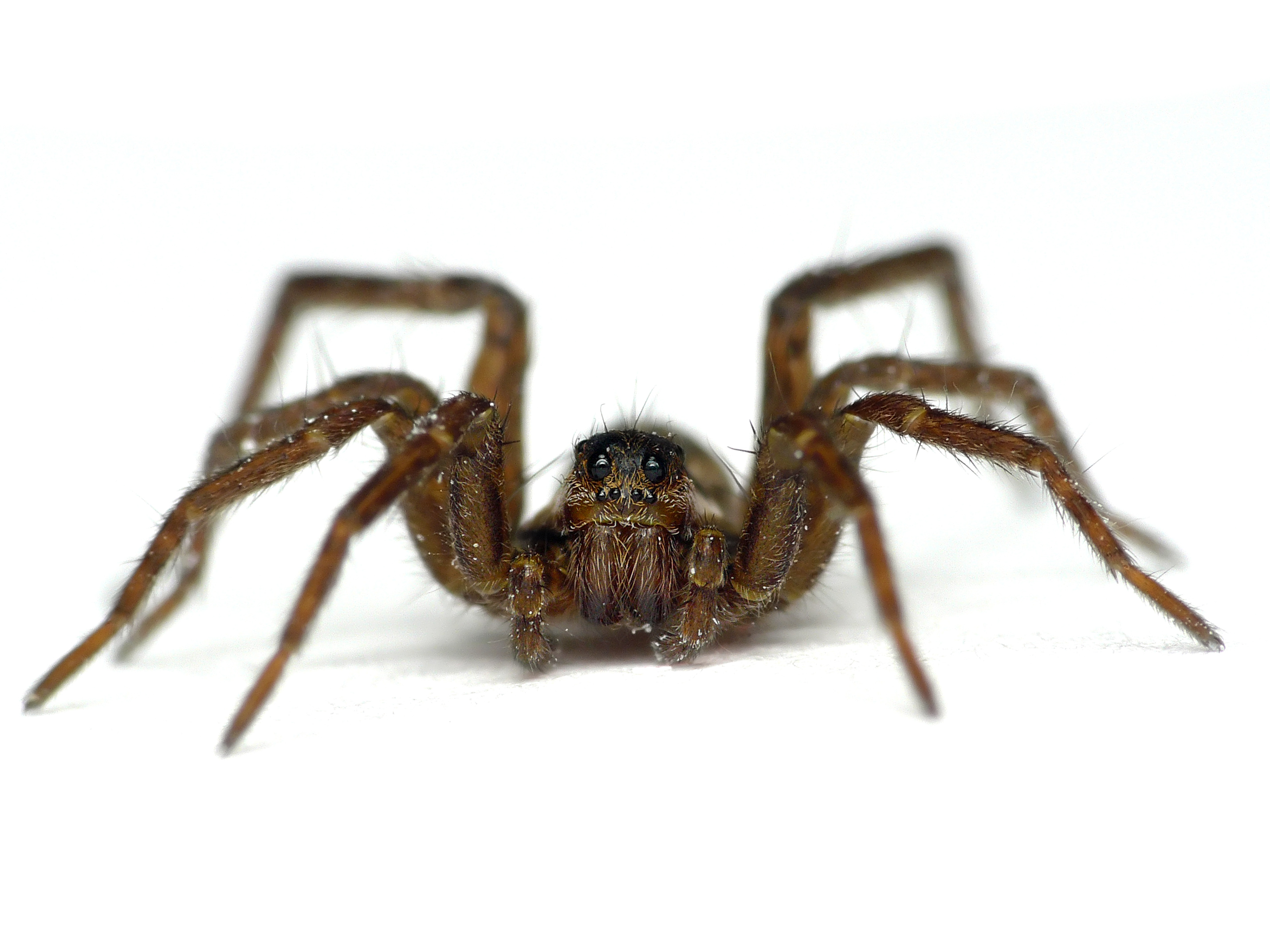
Hogna are a genus of Wolf Spiders with more than 200 described species. They are found on all continents except Antarctica. Two species of Hogna, Hogna carolinensis and Hogna helluo, are among the largest spiders in the US. Too bad, but this wasn't one of them.

I found this guy in my flower garden. It was pretty small, given that it's very early in the season, about what I'd expect.

You can tell this is a Hogna species because of the eye pattern. Wolf spiders are most readily identified by their eye patterns. If you look really closely you can see a small horizontal row of four eyes, then a set of two larger eyes above that row, then another set of two on top of the carapace. Thats the hallmark of a Hogna sp. spider.

Raynox DCR-150 and Raynox DCR-250, stacked and mounted on my Panasonic Lumix FZ8.
Friday, March 19, 2010

Jumping Spider (Naphrys pulex)

click for large

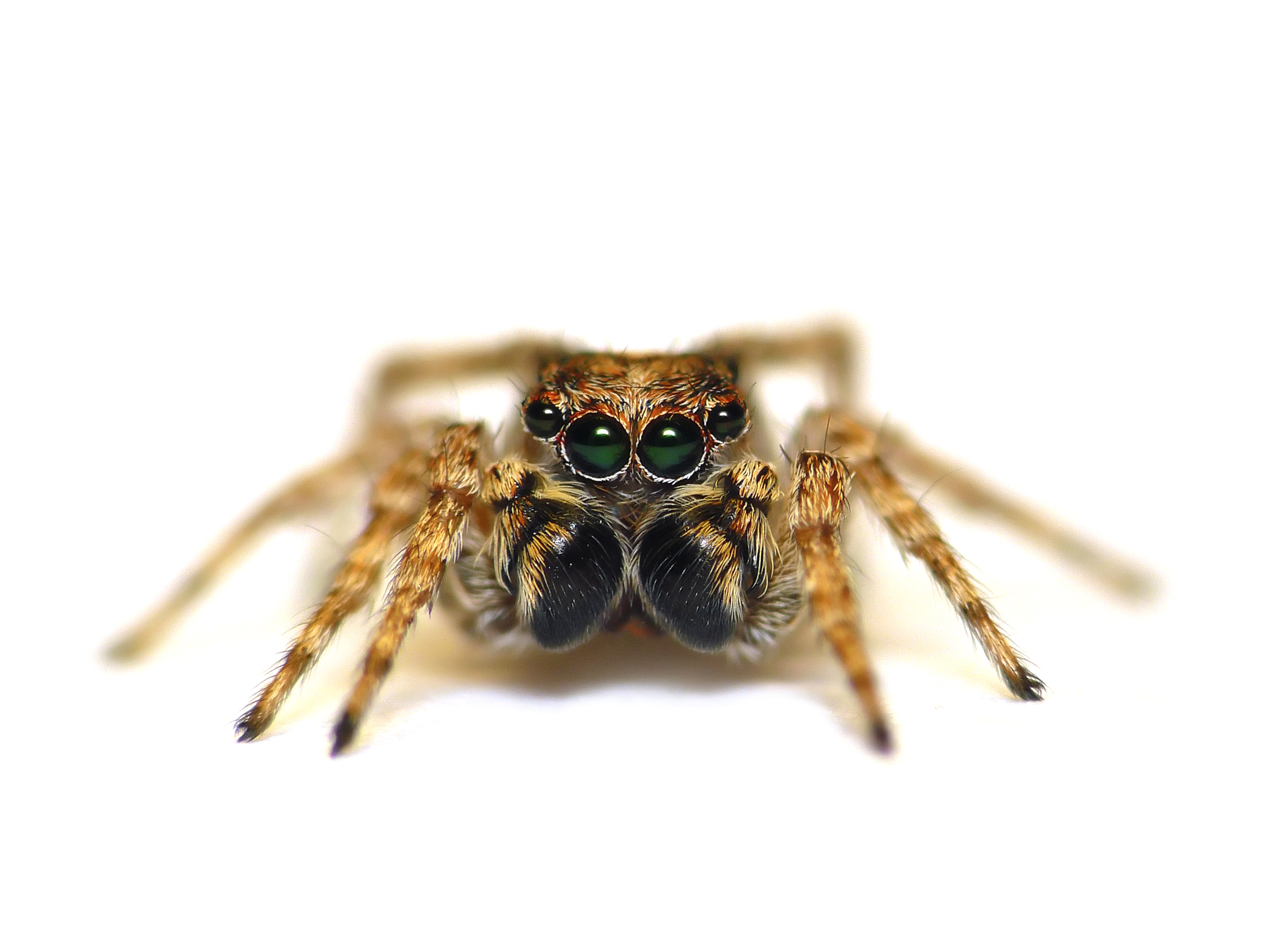
This is a male Naphrys pulex jumping spider. This spider comes from a tribe named Euophryini, which is spread out all over the world. North America has four described species. In fact its genus name "Naphrys" is actually a contraction for ""North American Euophrys".

This is the most widely-distributed Naphrys in eastern North America, found from the East Coast to wooded areas in the tall grass prairies west of the Mississippi River. N. pulex can be very common in mesic hardwood forests, at or near the ground in leaf litter, on rocky outcrops, on bark, or on buildings.

Raynox DCR-150 and Raynox DCR-250, stacked and mounted on my Panasonic Lumix FZ8.
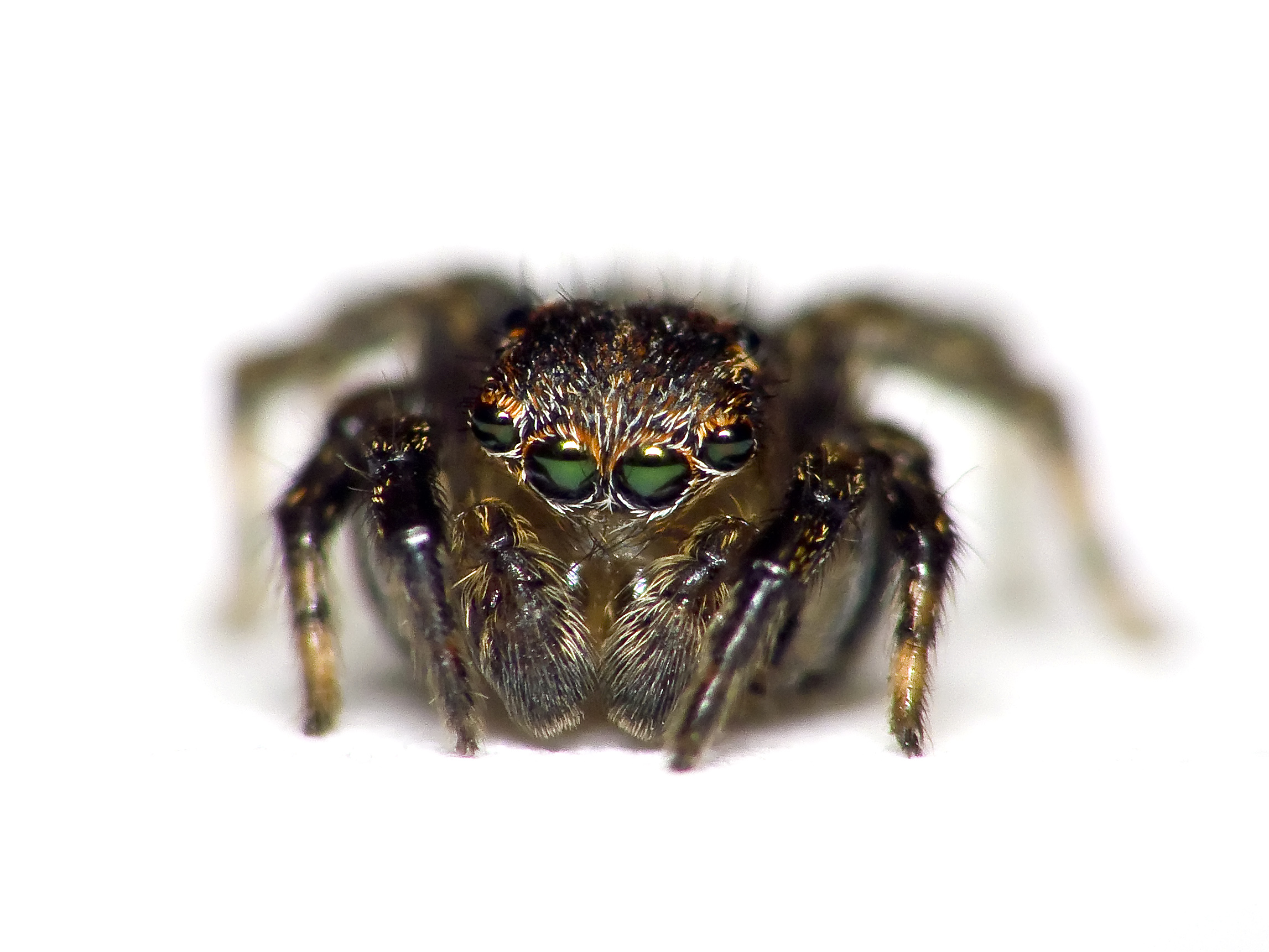
Wednesday, October 14, 2009

Woodlouse Hunter (Dysdera crocata)

click for large

I was quite shocked to find this gal crawling around my basement floor. First, it was very large, slightly bigger than a quarter, and second because I could see it's fangs from 6 feet up!

Dysdera crocata is a hunting spider found from New England to Georgia and west to California. It is also a commonly encountered spider in England, northern Europe, and Australia. The Woodlouse Hunter preys on pill bugs or sow bugs (order Isopoda), sometimes beetles, and derives its common name from the British common name for these crustaceans. D. crocata is known to feed on other arthropods as well. This is the only species of the family Dysderidae known to occur in North America.

Unlike 99% of spiders, they have only six eyes, grouped closely together. Their jaws are relatively large, with long fangs for piercing through the hard armor of their prey. These are definitely the longest fangs on any spider I've found in Minnesota. The body of the woodlouse hunter is generally smooth, not hairy. The cephalothorax (front segment) is reddish orange to maroon, and the abdomen is usually tan or grayish white. Males are smaller in size, and their genitalia are visible on the ends of the pedipalps. This is a female.

These spiders hunt at night, actively searching out their prey. Woodlouse hunters do not build webs, but construct small, silken oval-shaped retreats. They overwinter as adults, and after mating in the spring, females deposit about 70 eggs in their retreat. When the young hatch, they stay near the mother for a short period of time.

Raynox DCR-250 mounted on my Panasonic Lumix FZ8.

Saturday, September 5, 2009

Jumping Spider (Sitticus fasciger)

click for large

I was out looking for a few spiders to photograph today, and boy was it slim pickings! I found several of this species, Sitticus fasciger, but they were all females which I already have studio pictures of. Finally I found this guy, a nice sized male.

Males of the species have smaller, more slender abdomens, and larger dark palps, as you can see here. Here's a picture of a female. For an informative paper on behavior and identification of this species, look here.

Sitticus fasciger is originally from Asia, specifically the Russia/China area. They are almost always found in conjunction with man. Their favorite habitats are man made structures like stone walls, houses, building walls and such, which is exactly where I found this guy. They were apparently introduced into the US in the 50's.

Raynox DCR-150 and Raynox DCR-250, stacked, and mounted on my Panasonic Lumix FZ8.
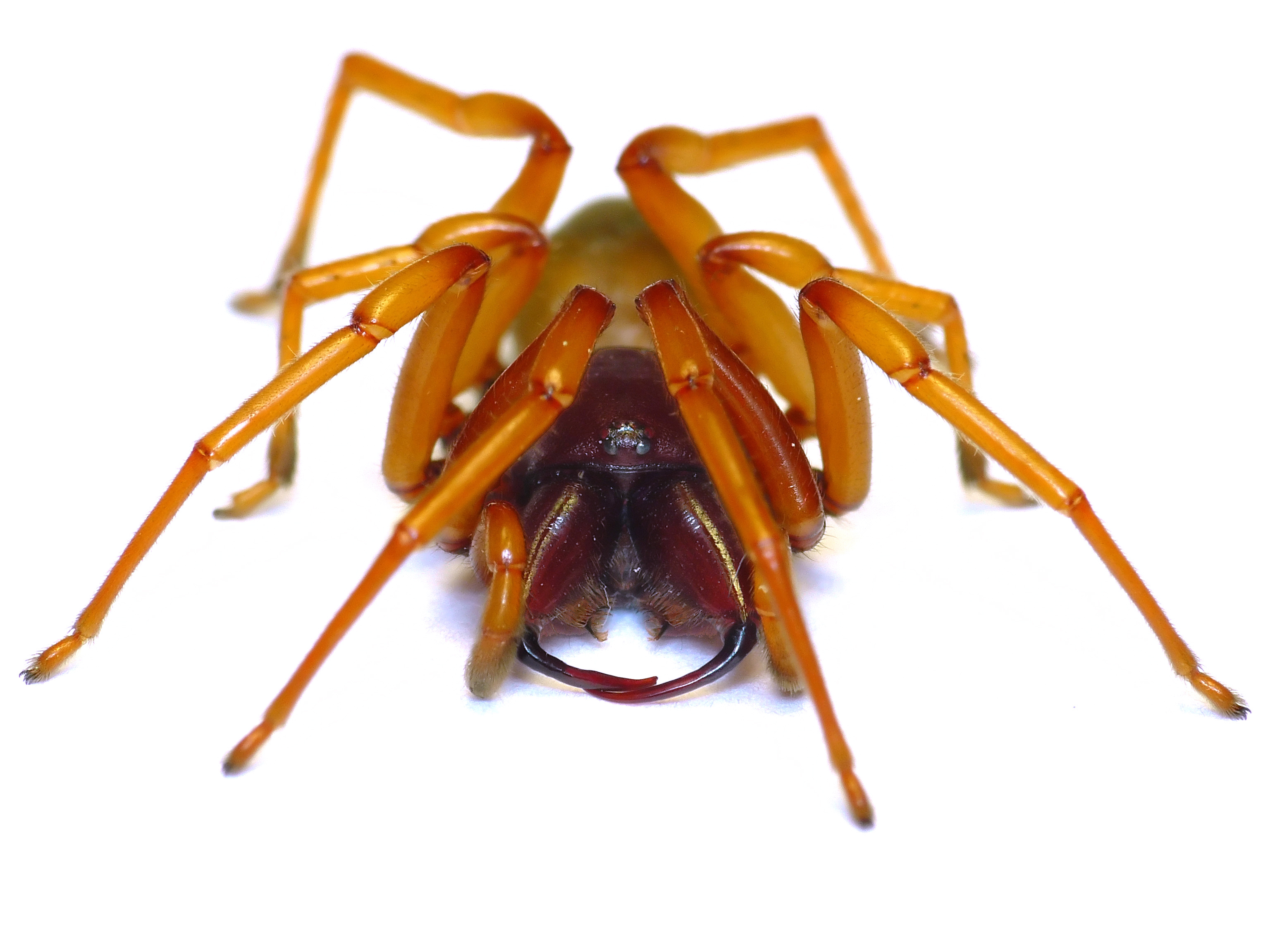
Friday, September 4, 2009

Jumping Spider (Tutelina elegans)

click for large

Tutelina is a small genus of very interesting American salticids that deserve much more study. These spiders, which themselves seem to be generalized ant mimics, readily attack and feed upon small ants. It is generally unusual for ant mimics to attack ants, as more often the spiders are Batesian ant mimics. The fewer ants they eat, the more there are to hide amongst.

This is a female. The males have a very interesting double mohawk style hairdo that is quite something to behold. The females are a pretty emerald green, and I really like her flashy yellow striped legs.

Raynox DCR-150 and Raynox DCR-250, stacked and mounted on my Panasonic Lumix FZ8.