Friday, July 31, 2009

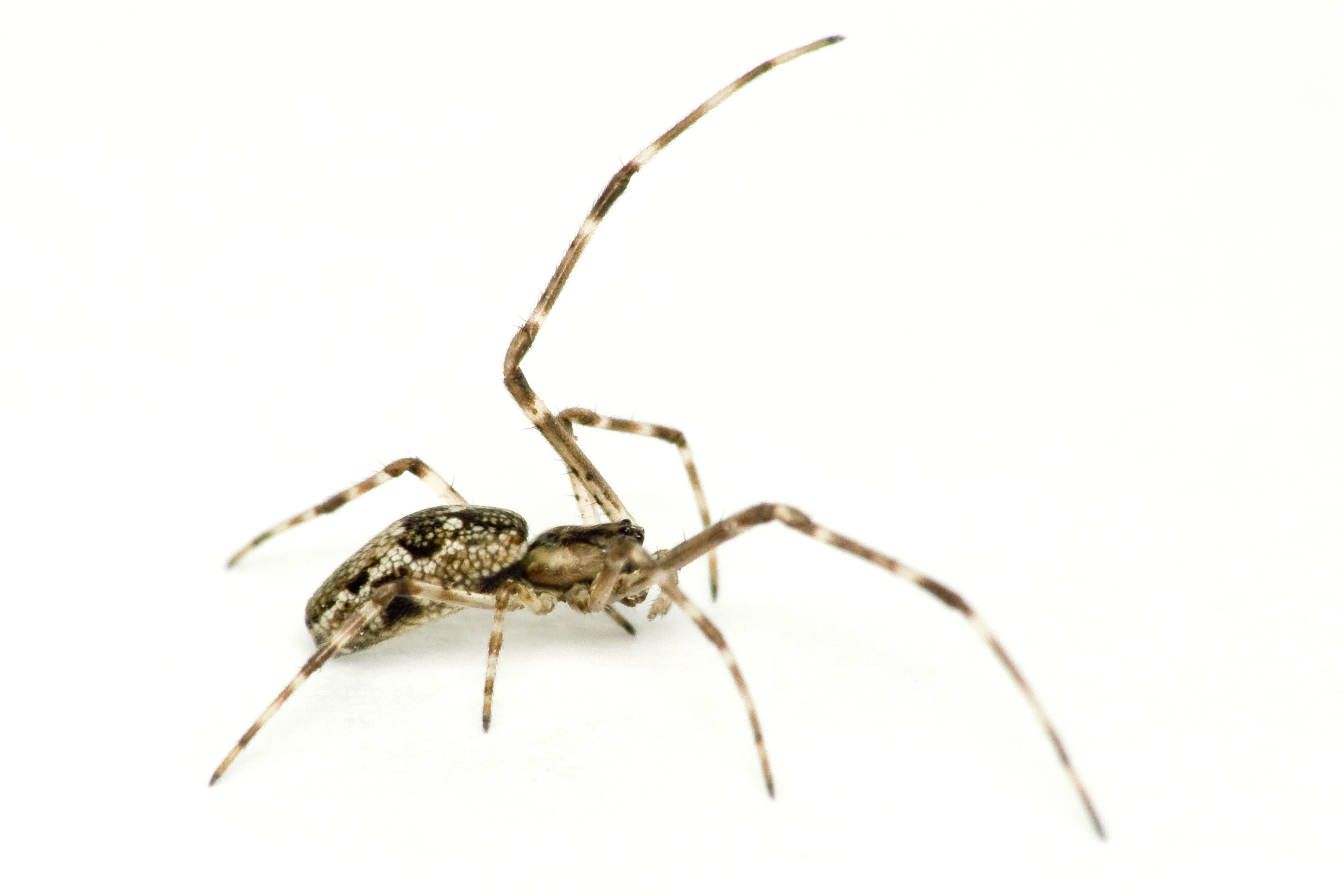
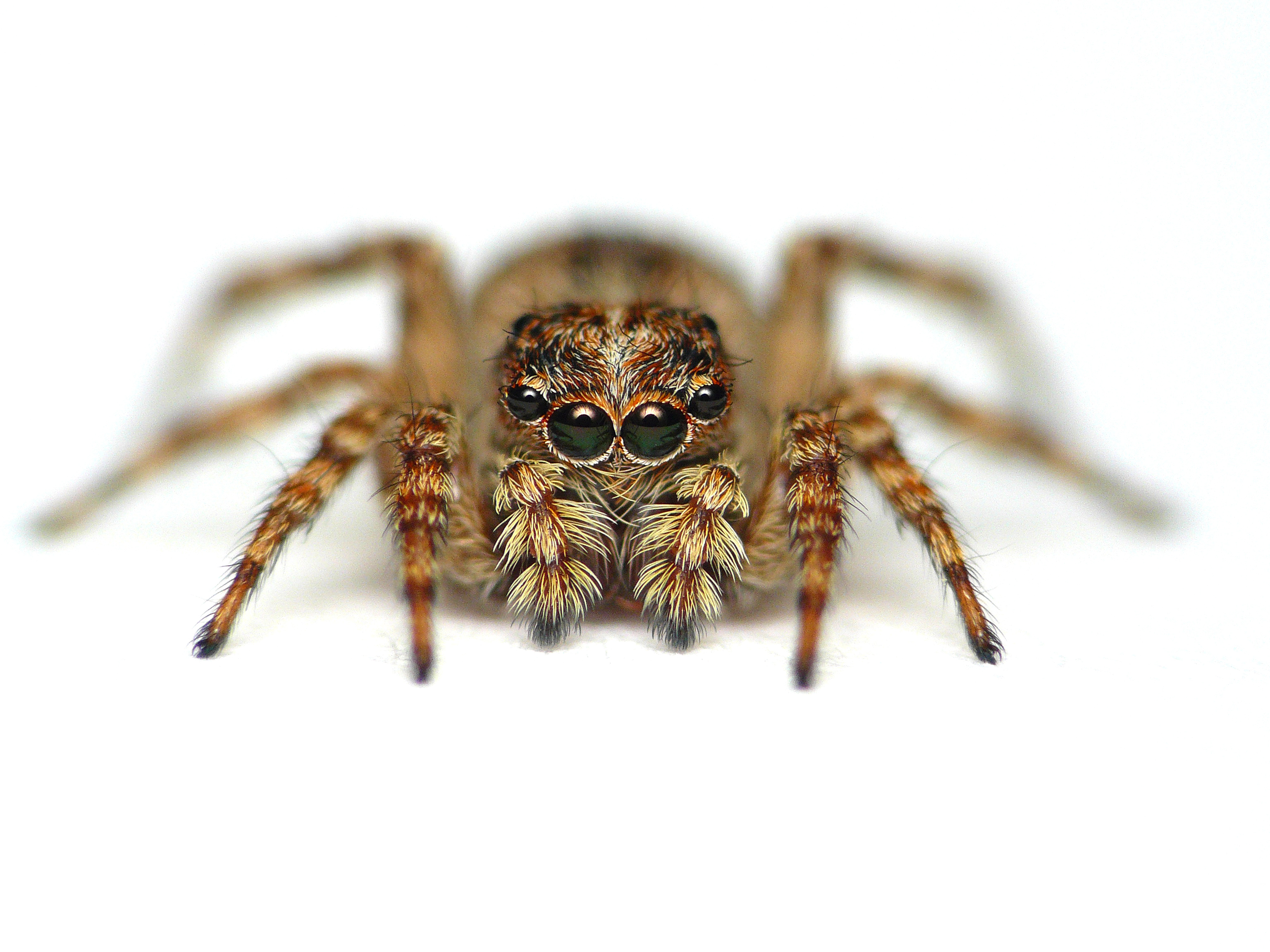
Marbled Cobweb Spider (Enoplognatha marmorata)

click for large

Marbled Cobweb Spider (Enoplognatha marmorata)

This spider occurs almost exclusivley in association with man. It can be found in the corners of houses, garages and sheds where it feeds on anything that stumbles into its web (often woodlice). It's web is a tangle of criss-cross threads that is typical of theridiids. The intensity of the colouring is variable between individuals but the patterning is fairly consisitant.

Raynox DCR-150 and Raynox DCR-250 stacked and mounted on my Panasonic Lumix FZ8.

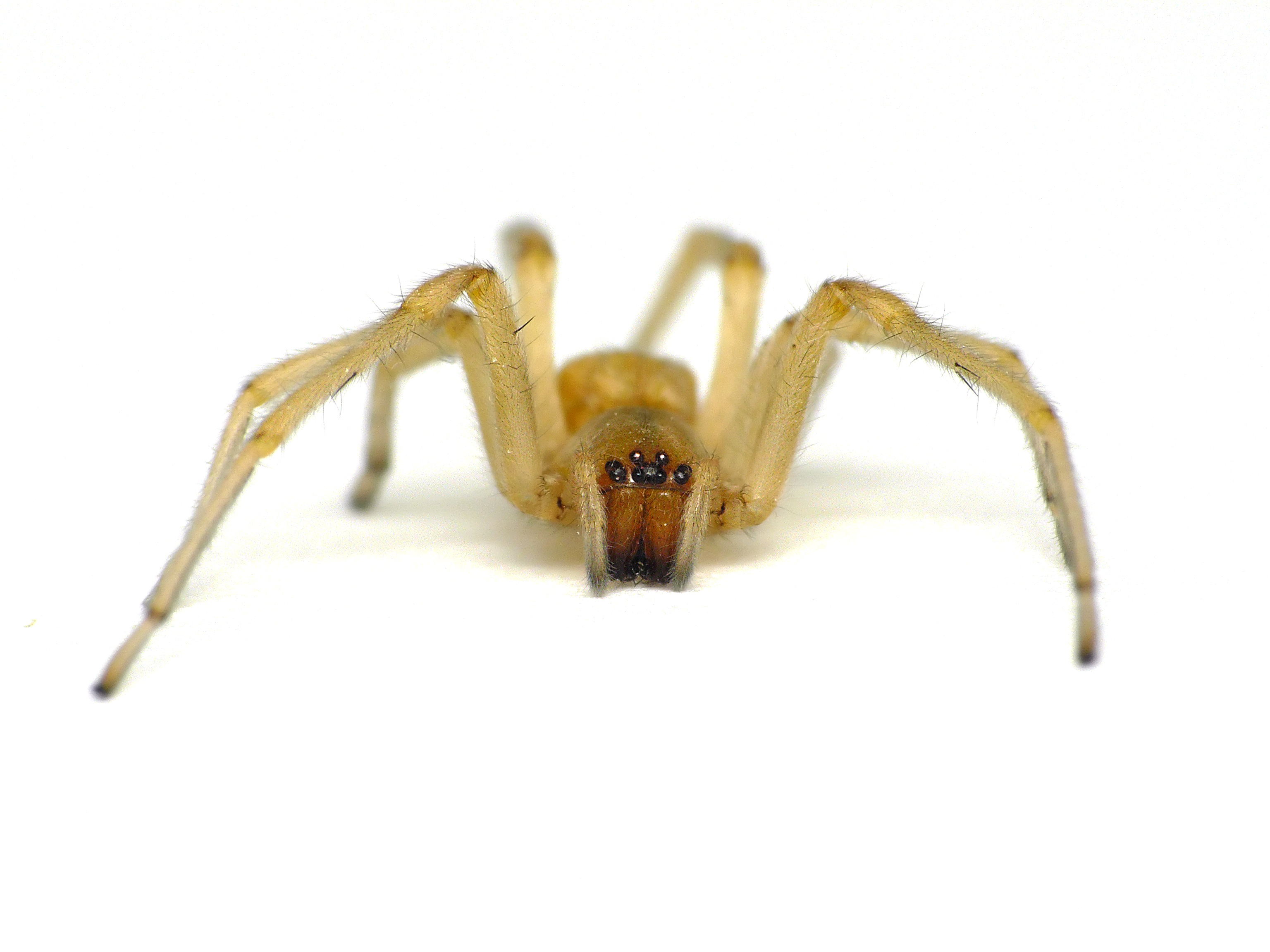
Long Legged Sac Spider (Cheiracanthium sp.)

click for large

I found this guy on my bedroom ceiling. A lot less menacing than it looks, probably only 3/8 of an inch including legs.

Several reports classify these spiders as possibly harmful, but real study shows their bites are not poisonous or necrotic to humans.

Raynox DCR-150 and Raynox DCR-250 stacked and mounted on my Panasonic Lumix FZ8. I used a simple paper plate as a flash diffuser for the lighting. Worked out very well if you ask me.

Longjawed Orbweaver (Tetragnatha sp.)

click for large

A Longjawed Orbweaver (Tetragnatha sp.) I found inside my tackle box. Brought it inside for a few photos.

Tetragnatha is a genus of spiders containing hundreds of species. They are found all over the world, although most occur in the tropics and subtropics. They are commonly called "stretch spiders", referring to their elongated body form. When disturbed they will stretch their front legs forward and the others in the other direction, thus being able to hide on blades of grass or similar elongated substrates. They are also able to run over water.

Raynox DCR-250 mounted on my Panasonic Lumix FZ8.

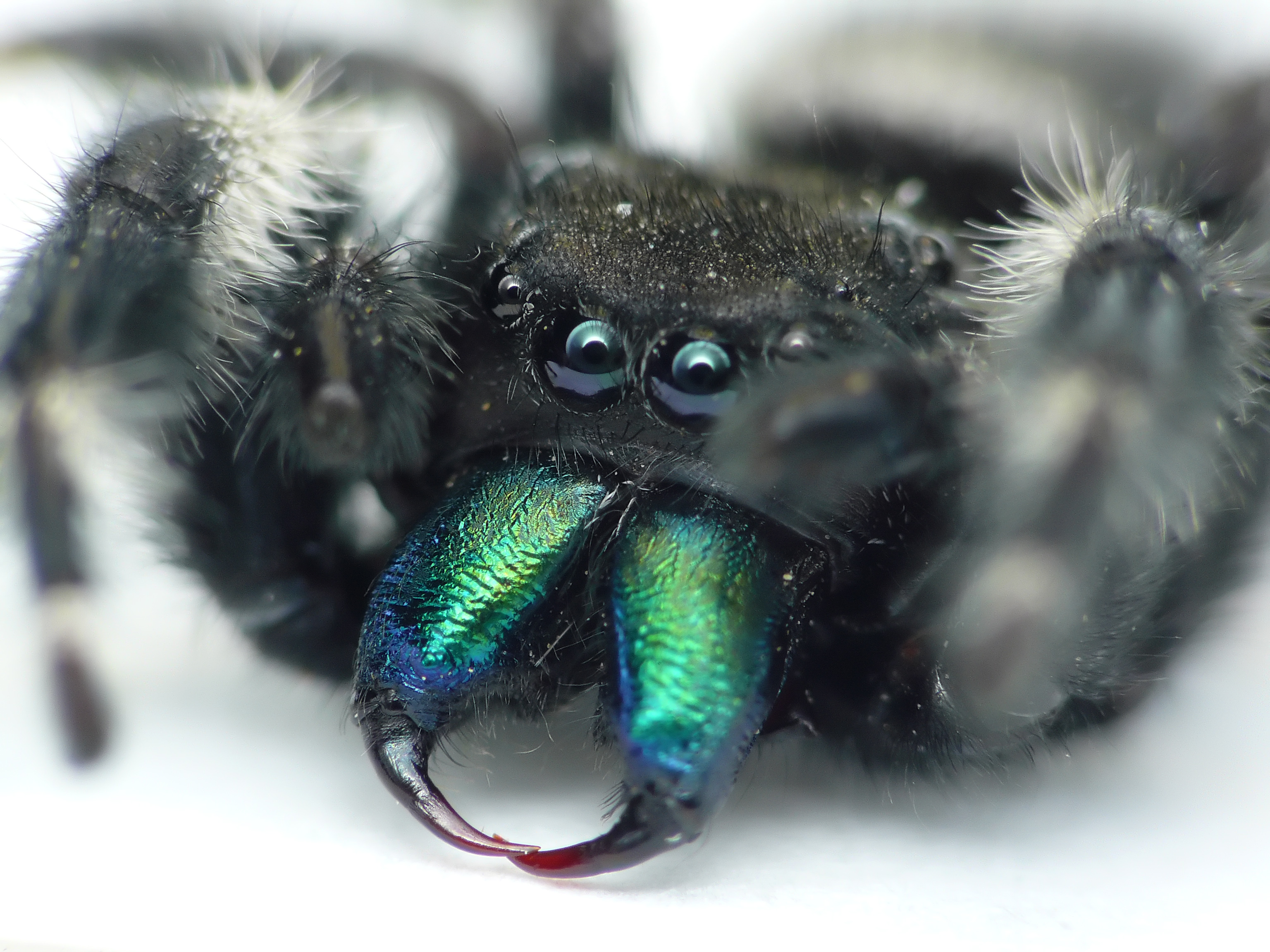
Bold Jumping Spider (Phidippus audax)

click for large

Phidippus audax is a common jumping spider of North America. It is commonly referred to as the Bold Jumping Spider. The average size of adults ranges from roughly 1/2 to 3/4 inches in body length, though I have found several in Texas around the 1" mark.

These spiders are typically black with a pattern of spots and stripes on their abdomen and legs. Often these spots are orange, yellow or red tinted in juveniles, turning white as the spider matures.

The Bold Jumping Spider belongs to the genus Phidippus, a group of jumping spiders easily identified both by their relatively large size and their iridescent chelicerae. In the case of P. audax, these chelicerae are a bright, metallic green or blue.

These spiders have been known to jump up to 50 times their own body length, and the male may jump away during mating if the female approaches too quickly.

Like other jumping spiders, due to their large, forward facing eyes, they have very good stereoscopic vision. This aides them when stalking prey, and allows some visual communication with others of their species, such as courting 'dances'.

While this guy may look very menacing, he's really only about 3/8 inch long. A curious little bugger too.

Raynox DCR-150 and Raynox DCR-250, stacked, and mounted on my Panasonic Lumix FZ8.
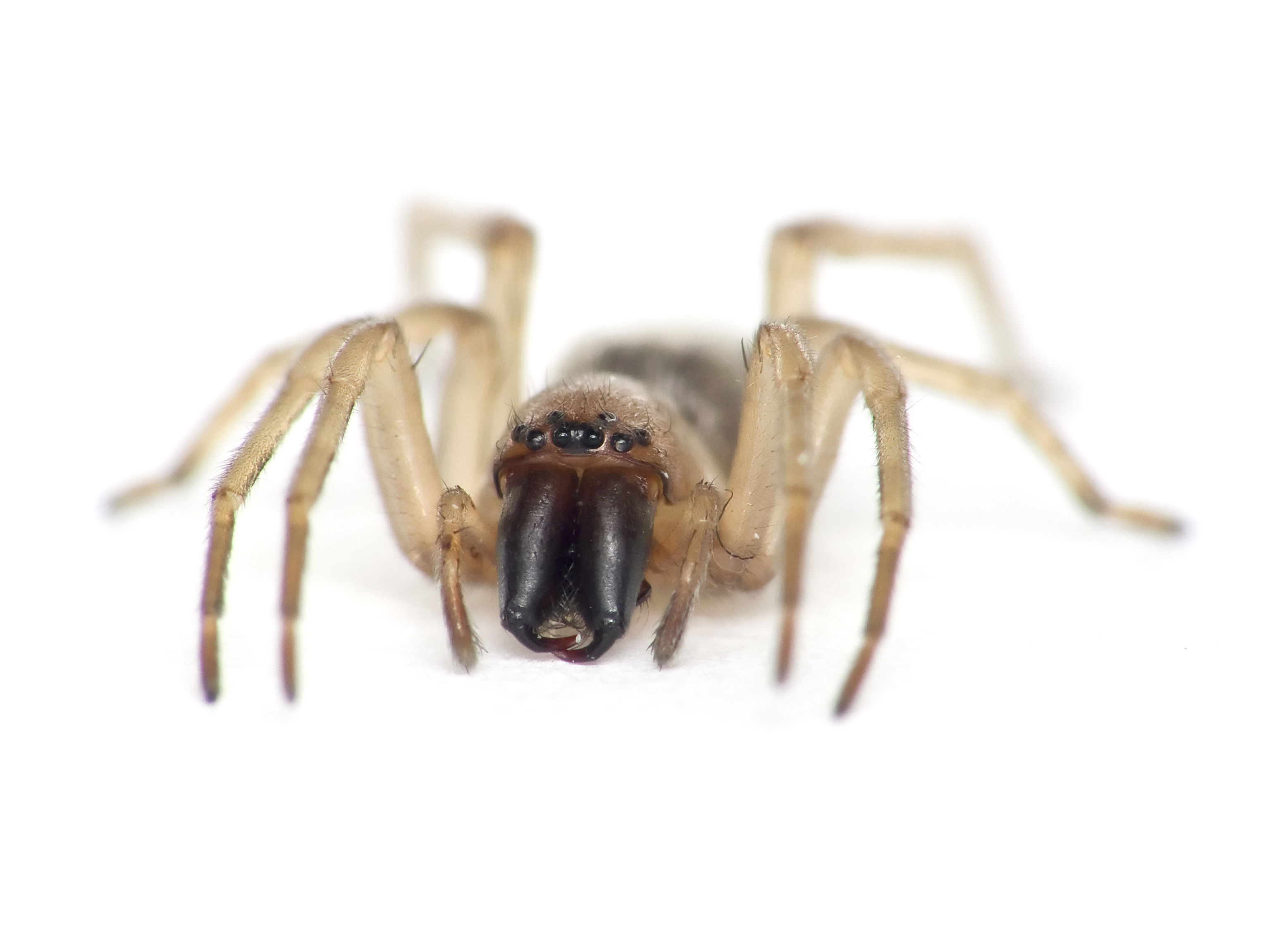
Leaf Curling Sac Spider (Clubiona sp.)

click for large

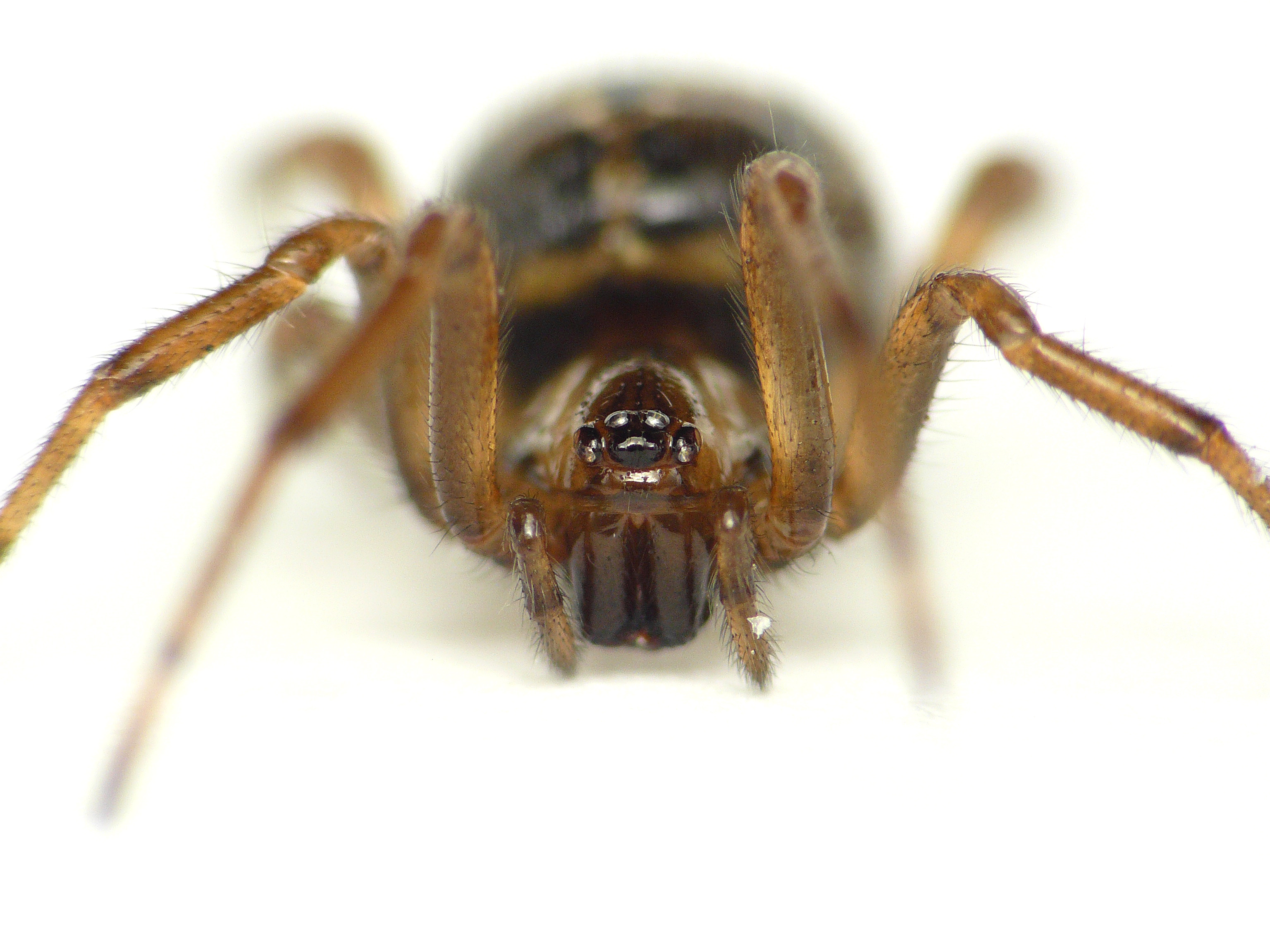
Not much is known about these guys. Actually this is a female. I could only narrow it down to a genus level because my favorite identification site is woefully lacking in this family, and no other site on the intarwebs knows anything about them.

I found this spider in very long grass. It had curled one of the grass blades over and made a home for itself. Given that this genus is called the Leaf Curling Sac Spiders, I thought the name and behavior fit quite well. There are at least 3 species that look almost exactly like this one, so I guess it'd take an expert to identify it to species level. You can't see it from this angle, but it has a furry grey mottled abdomen.

Even without much information I was impressed by the very large black chelicerae and extra large fangs. Really a great spider to shoot in my little studio. As always it was released unharmed.

Raynox DCR-150 and Raynox DCR-250 stacked and mounted on my Panasonic Lumix FZ8.

Female Jumping Spider (Sitticus fasciger)

click for large

I was snooping around outside of the house today looking for something to shoot in my little studio, and I found three of these gals. This is a female Sitticus fasciger, the males have smaller, more slender abdomens, and larger, very much less furry, black palps. For an informative paper on behavior and identification of this species, look here.

Sitticus fasciger is originally from Asia, specifically the Russia/China area. They are almost always found in conjunction with man. Their favorite habitats are manmade structures like stone walls, houses, building walls and such, which is exactly where I found this girl. They were apparently introduced into the US in the 50's.

Raynox DCR-150 and Raynox DCR-250 stacked and mounted on my Panasonic Lumix FZ8.

Wolf Spider (Hogna frondicola)

click for large

Hogna are a genus of Wolf Spiders with more than 200 described species. They are found on all continents except Antarctica. Two species of Hogna, Hogna carolinensis and Hogna helluo, are among the largest spiders in the US. Too bad, but this wasn't one of them.

I found this guy on my garage. It was a little larger than the normal Pardosa sp. I run into, around an inch in diameter.

You can tell this is a Hogna species because of the eye pattern. Wolf spiders are most readily identified by their eye patterns. If you look really closely in a bigger size you can see a small horizontal row of four eyes, then a set of two larger eyes above that row, then another set of two on top of the carapace. Thats the hallmark of a Hogna sp. spider.

Raynox DCR-150 and Raynox DCR-250 stacked and mounted on my Panasonic Lumix FZ8.